
When preparing a site for construction, the groundwork laid before any foundation is poured dictates the long-term success of the entire project. Professional grading companies play a foundational role in this phase by altering the topography of a piece of land to meet specific engineering requirements. Without this crucial step, structures risk dealing with shifting soils, severe structural instability, and extensive property damage over time. Property owners and developers rely on these specialists to ensure their investments rest on perfectly leveled, stable ground.
While many people associate site preparation purely with heavy bulldozers moving dirt around, the actual process requires incredible precision and technical engineering. Modern grading companies utilize advanced GPS positioning, laser leveling systems, and architectural blueprints to sculpt the land accurately. Whether a project involves creating a perfectly flat pad for a commercial warehouse or establishing subtle slopes for residential drainage, exact execution is required. Mistakes made during this early phase can compound into incredibly expensive fixes once concrete has been poured and vertical construction begins.
The Vital Link to Excavation and Site Preparation
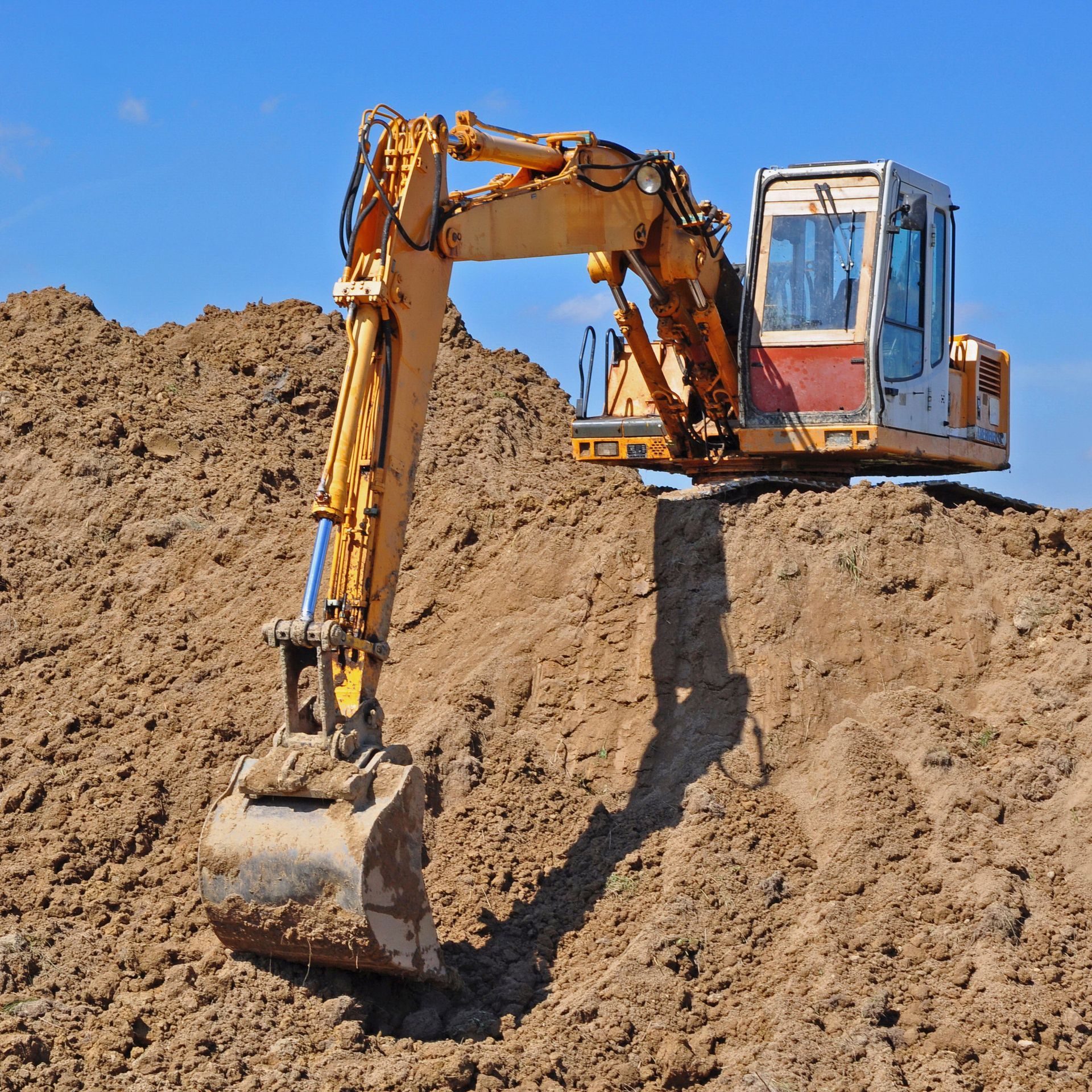
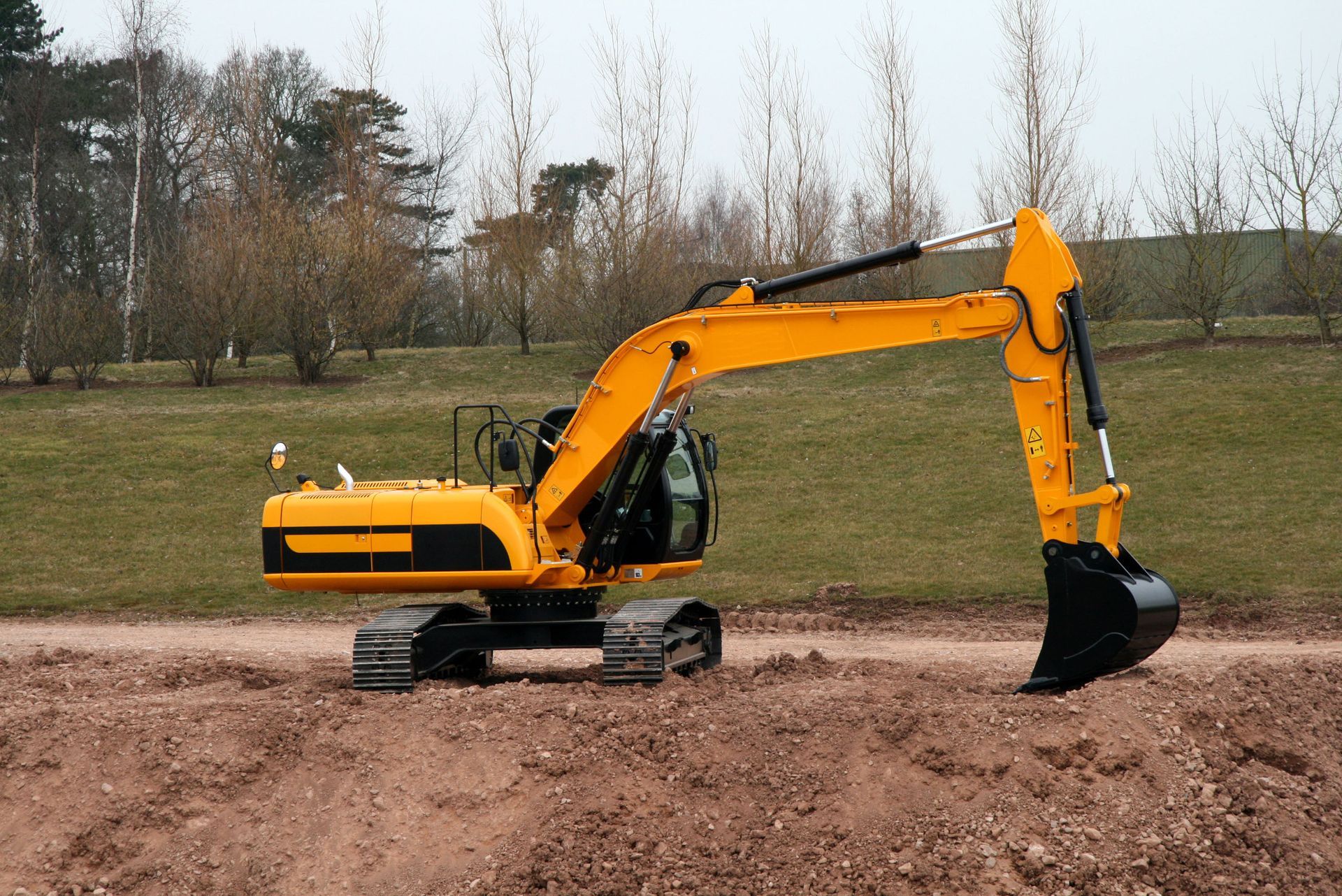
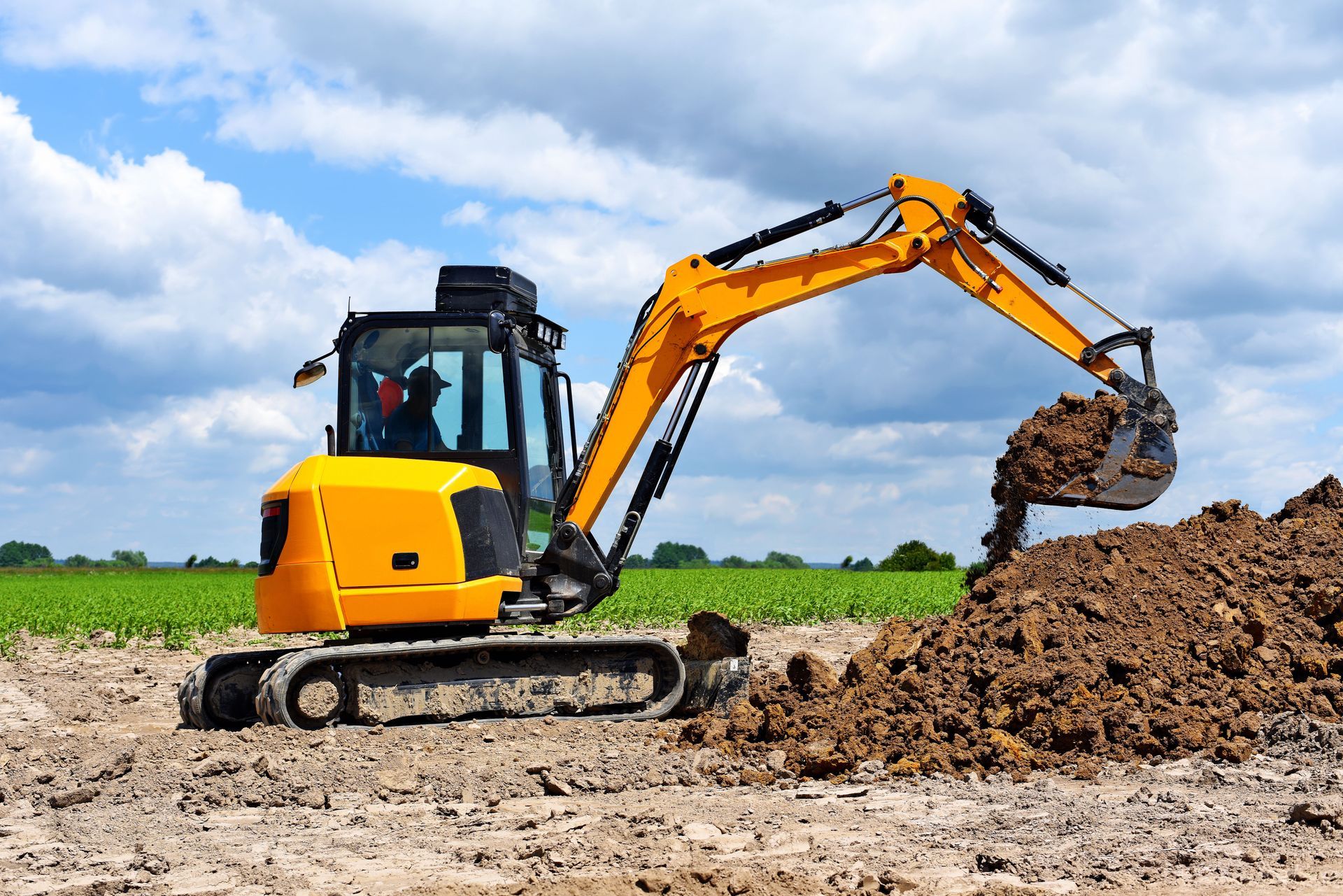
The civil engineering and site development sector is vast, making up a massive portion of the domestic construction market. According to Dig Different, there were 234,318 excavation contractor businesses in the U.S. as of 2023. Within this extensive network of earthmoving professionals, specialized grading companies provide the refined finishing work that bridges raw excavation with actual vertical building. While general excavators excel at digging massive holes and shifting bulk quantities of earth, graders focus entirely on the final elevations and slope precision.
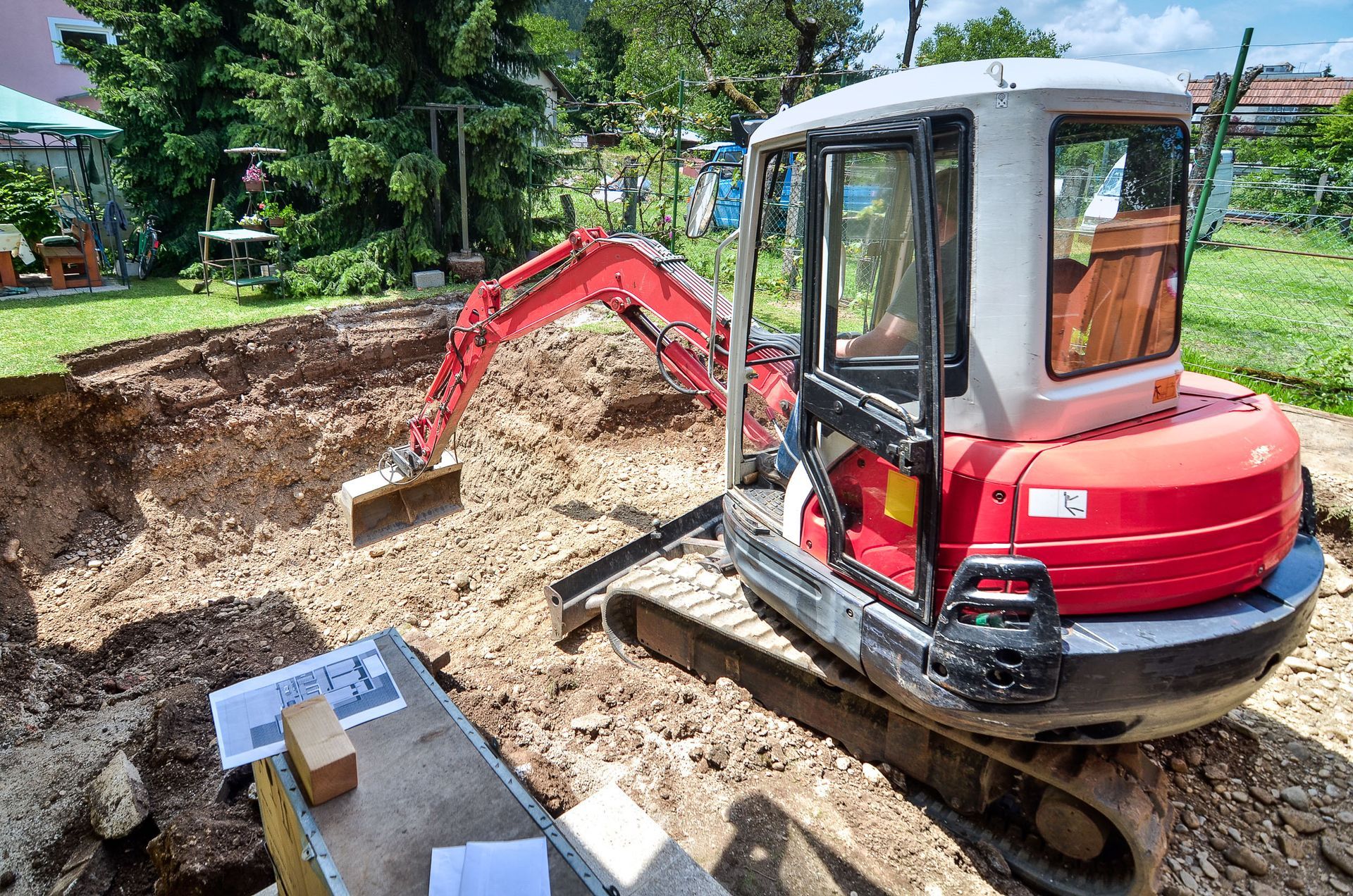
Before any leveling can occur, a site must be thoroughly cleared of trees, stumps, boulders, and existing debris. Earthmoving teams work systematically to strip away the organic topsoil, which is often set aside for landscaping purposes later in the project lifecycle. Once the raw subgrade is exposed, the grading process begins in earnest to cut away high points and fill in low depressions. This careful balance of moving material across a site minimizes the expensive need to haul extra dirt in or out of the property.
Essential Services Provided by Grading Professionals
Precision Land Clearing and Debris Removal
A completely blank slate is required before any heavy equipment can accurately measure or shape the terrain. Professional land clearing involves removing everything from dense brush and mature trees to buried concrete remnants from previous structures. Experienced grading companies execute this step carefully to avoid disturbing adjacent properties or violating environmental protections. Proper clearing ensures that subsequent soil compaction efforts will not be compromised by decaying organic matter left underground.
Commercial and Residential Site Leveling
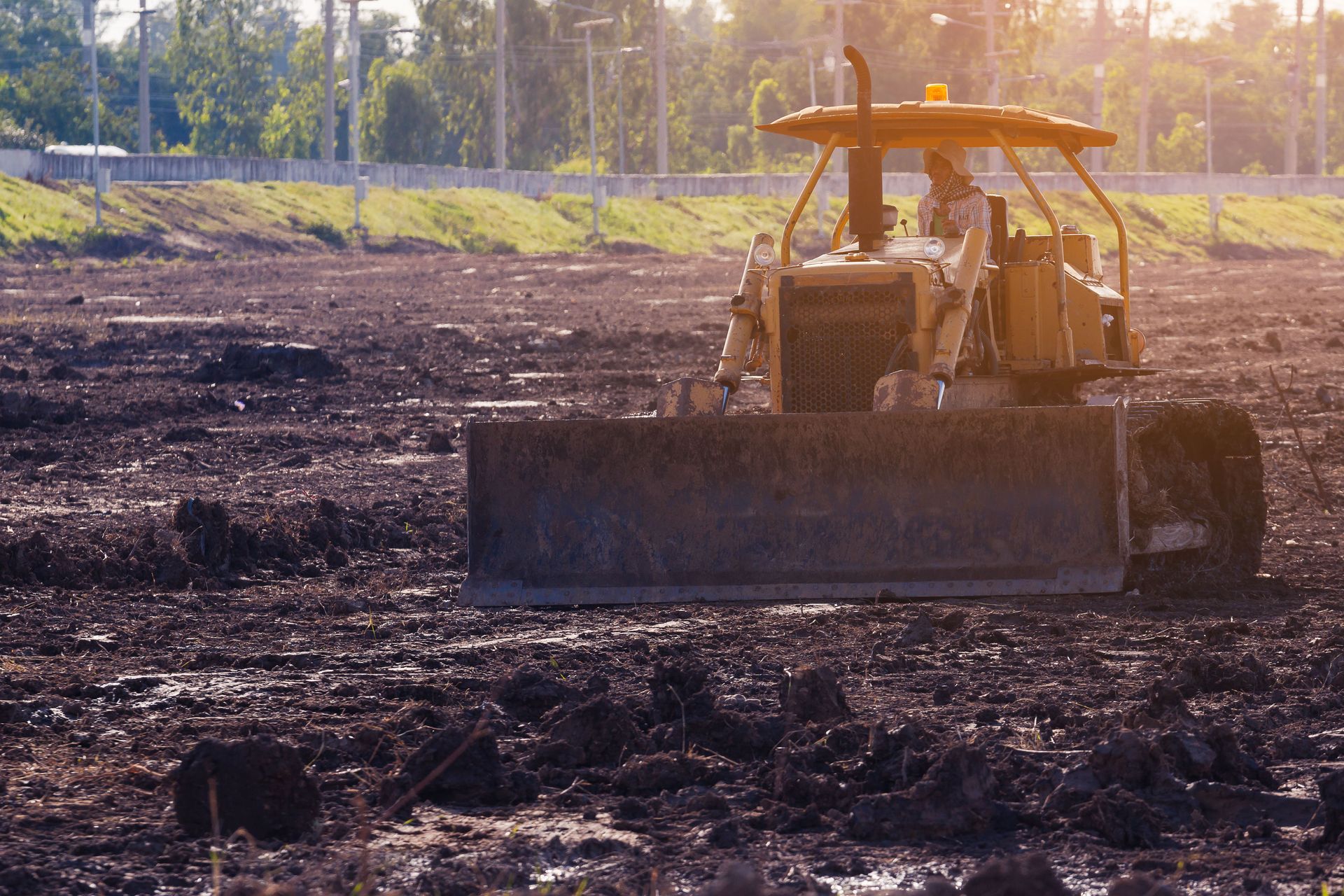
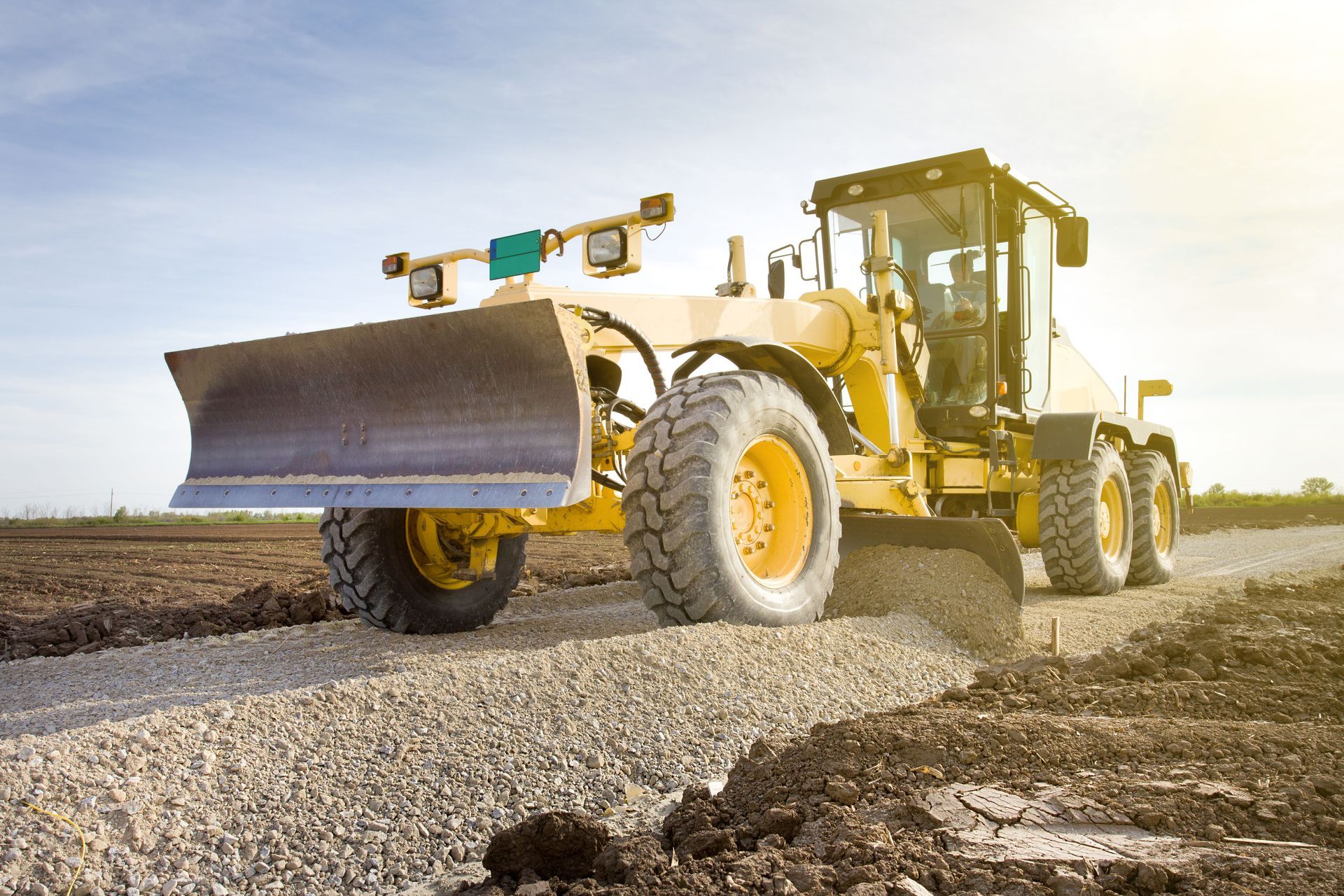
The primary objective of site leveling is to create a structurally sound building pad that adheres strictly to architectural blueprints. For residential homes, this means a flat surface that prevents uneven settling, which causes cracked drywall and jammed doors. Commercial developments often require massive, perfectly uniform expanses of land to support sprawling retail centers or industrial warehouses. Achieving this level of precision requires skilled heavy equipment operators who understand how different soil types behave under immense pressure.
Advanced Dirt Modification and Drainage Planning
Mastering Erosion Control and Water Management
Water is the single greatest threat to the structural integrity of any building foundation or paved surface. Top-tier grading companies design the slopes of a property to actively guide storm runoff away from structures and toward dedicated drainage systems. By sculpting subtle swales, retention ponds, and slopes, these professionals eliminate the risk of standing water and localized flooding. Proper water management also prevents topsoil erosion, protecting both the client's property and local waterways from sediment pollution.
Subsurface Engineering and Horizontal Boring
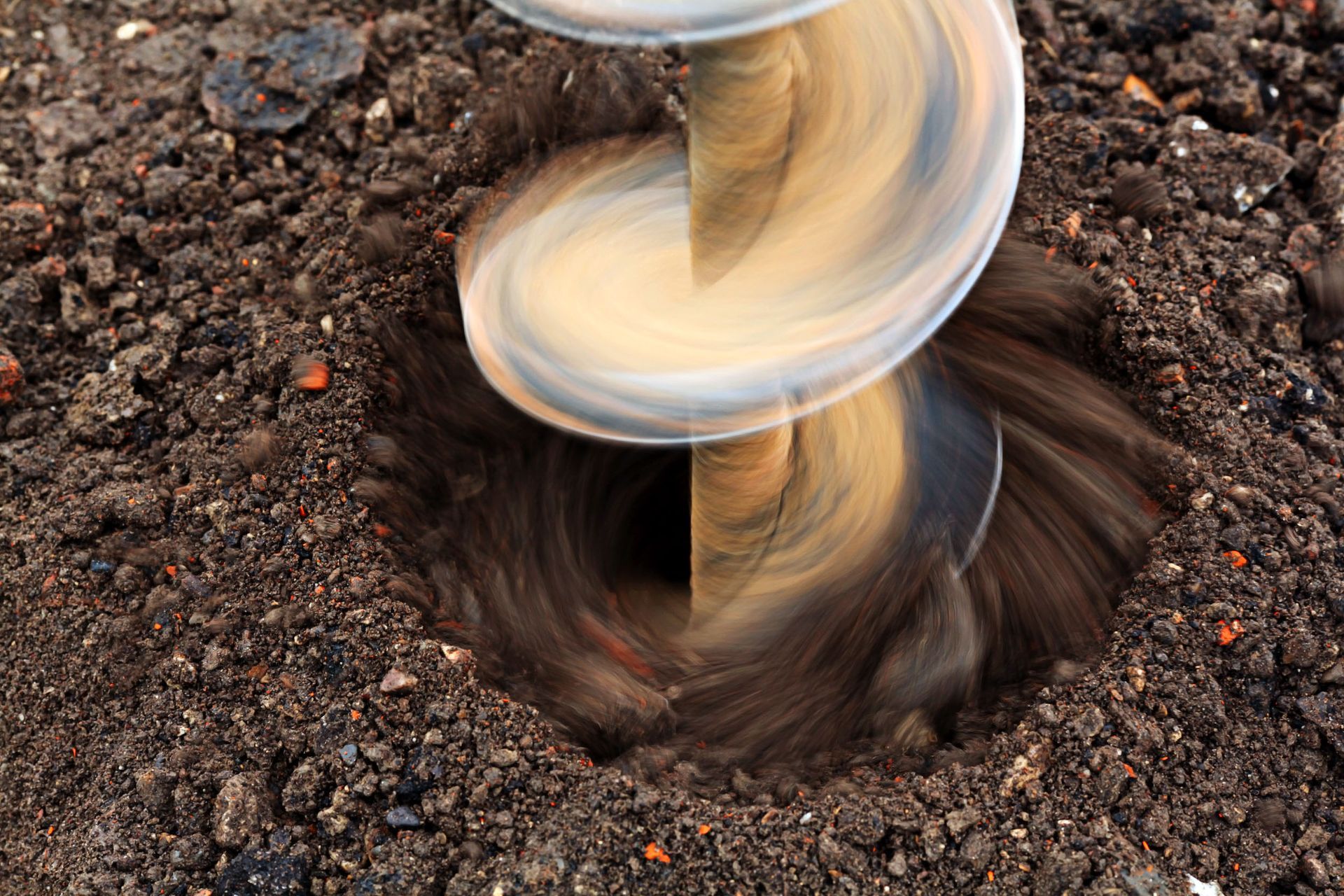
Modern site development often demands utility installations that go far beyond basic open-trench digging. Advanced earthmoving contractors frequently utilize horizontal boring techniques to install underground power, water, and data lines without disturbing the surface. This trenchless methodology allows utilities to pass beneath existing roads, structural foundations, and sensitive landscapes seamlessly. Integrating horizontal boring into the broader site preparation strategy minimizes overall project downtime and reduces surface restoration expenses significantly.
Structural Demolition and Material Recycling
Many development projects take place on plots of land that already feature outdated or structurally compromised buildings. In these scenarios, safe and efficient structural demolition must occur before any grading or site leveling can begin. Professional crews systematically dismantle these structures while minimizing dust, noise, and vibration impacts on the surrounding neighborhood. Hazardous materials are identified and removed carefully beforehand to ensure compliance with strict environmental regulations.
Once a building is brought down, the focus shifts to clearing the debris and recycling usable materials on-site whenever possible. Concrete, brick, and asphalt are frequently crushed into aggregate material that can be repurposed as a stable base layer for new roads or driveways. This sustainable practice reduces the project's overall carbon footprint and lowers material hauling costs substantially. After the demolition site is entirely cleared of rubble, the team transitions seamlessly into reshaping the underlying soil for its new purpose.
Why Hiring Licensed Grading Companies Matters
Mitigating Structural Risks and Long-Term Liability
Attempting to cut corners on earthwork by hiring unvetted contractors or utilizing inadequate equipment frequently results in financial disaster. Reputable grading companies carry comprehensive structural liability insurance and formal licensing to protect property owners throughout the process. They understand local building codes, soil composition challenges, and regional environmental regulations inside and out. Investing in professional-grade earthwork from day one ensures that your building foundation remains secure and completely clear of water damage for decades to come.
Maximizing Equipment Efficiency and Safety Standards
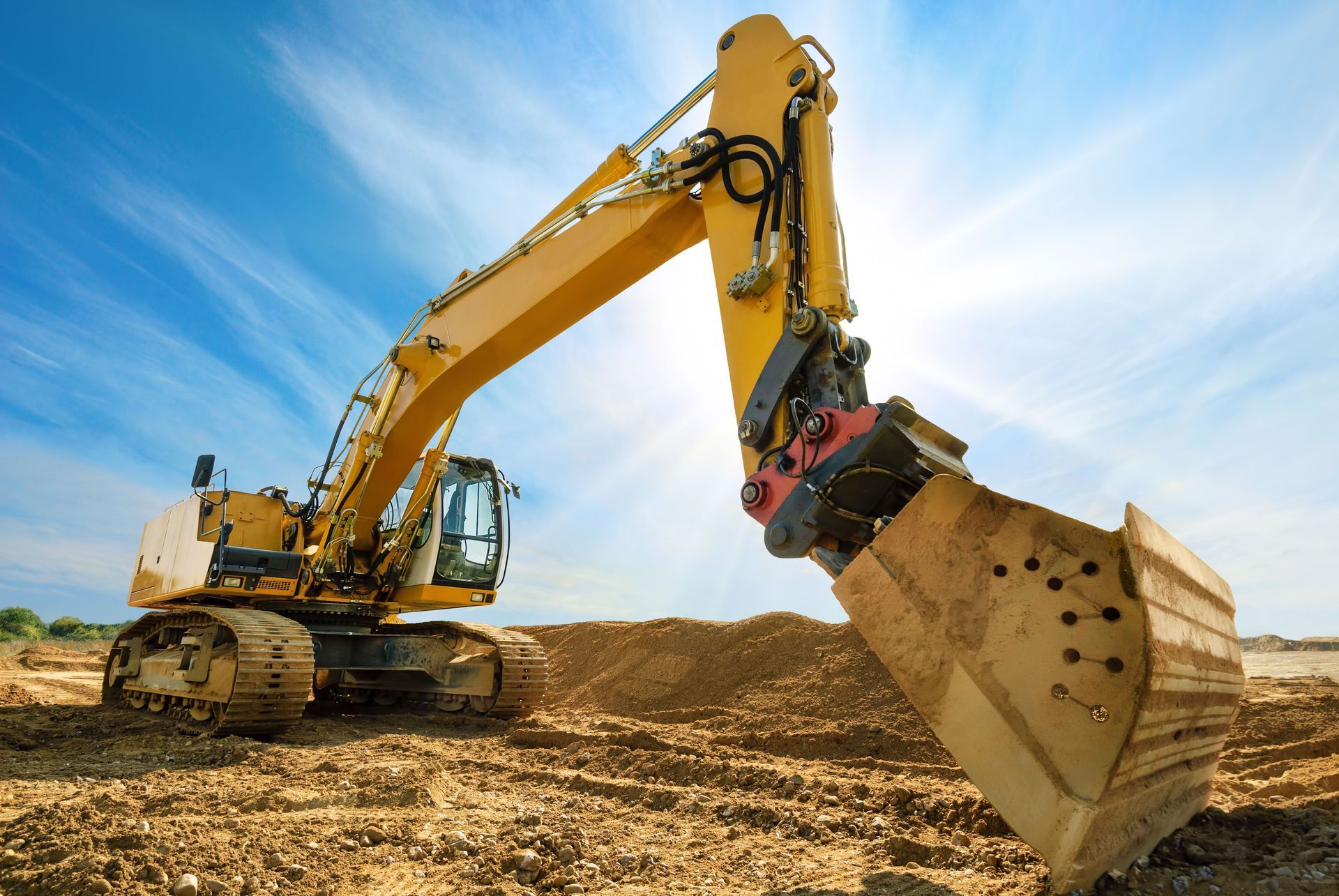
The heavy machinery required for modern site preparation represents a massive capital investment and demands specialized expertise to operate safely. Established grading companies maintain advanced fleets of skip loaders, motor graders, excavators, and vibratory soil compactors. These machines are regularly calibrated and operated by certified professionals who understand how to safely navigate complex, hazardous worksites. Utilizing the right tool for each specific earthmoving task accelerates the project timeline while maintaining a completely accident-free environment.
Long-Term Value of Expertly Graded Landscapes
The ultimate value of comprehensive site preparation becomes apparent long after the heavy construction equipment has left the property. Well-graded land retains its structural integrity through severe weather cycles, torrential downpours, and natural soil shifting over time. It protects landscaping investments from washing away and ensures that asphalt driveways and concrete sidewalks do not crack prematurely. By prioritizing professional site manipulation at the start, you guarantee a durable, low-maintenance future for the entire development.
In conclusion, the success of any construction project relies heavily on the quality of the initial earthwork and site preparation. Partnering with elite grading companies ensures that every square foot of your property is engineered for maximum stability, safety, and water management efficiency. From the initial clearing of raw land to precision leveling and advanced utility installation, these specialists provide the literal foundation for our built world. Taking the time to select a proven, fully insured contractor pays massive dividends throughout the lifecycle of your real estate asset.
Achieving a perfectly prepared piece of land requires a delicate balance of heavy engineering and precise finish work. By partnering with professional grading companies, developers and property owners ensure that their structural foundations are built on stable, expertly leveled ground capable of withstanding long-term environmental pressures. From strategic erosion control and advanced water management to structural demolition and efficient subsurface utility routing, the early-stage earthwork sets the tone for the entire project's lifecycle. Investing in licensed specialists not only mitigates significant structural risks but also secures the long-term value, safety, and durability of the real estate asset. For more information, contact Forsyth Grading LLC.
Share On: